Selling teaching resources as a Canadian creator
Updated November 9, 2026·3 min read
Curriculum-matched, Canadian-spelled resources are rare. Yours fill a real gap.
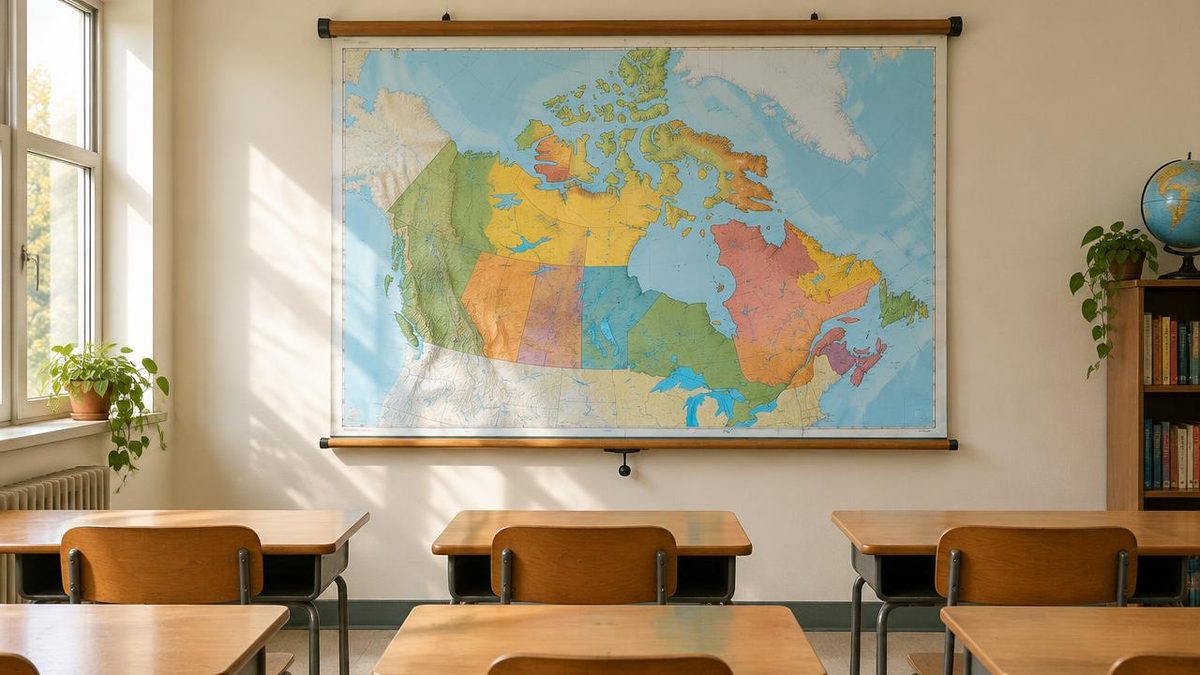
Canadian teachers often adapt American resources because nothing matches their provincial curriculum. If you've made the version that fits, other teachers want it.
Name the province and grade
"Grade 3 Alberta Science" is far easier to find than "Grade 3 Science." Put the province in the title.
Spell it the Canadian way
Colour, centre, metre. Note it in your description — Canadian teachers notice and appreciate it.
Think beyond your province
Many units (French, Remembrance Day, Canadian animals, metric measurement) work coast to coast. Say so.
Getting paid
Learning Kindred pays Canadian creators in CAD, automatically at month-end once your balance reaches $25. Smaller balances simply roll forward.
Make curriculum connections easy to verify
If you describe a resource as curriculum-aligned, identify the specific document you used, including its year or version. Provincial and territorial curricula change, so a broad label can become unclear over time.
Create a short mapping table in your teacher notes. For each expectation you name, show the activity or page that addresses it. Be honest about partial coverage: an activity may practise one part of an expectation without teaching or assessing the whole thing.
Use wording such as “practises comparing lengths using centimetres” rather than implying official approval. Do not add a ministry logo or claim endorsement unless you actually have permission.
Check the everyday details
Canadian relevance is more than spelling. Review examples for units, money, dates and local context. A measurement pack should say whether it uses metric units. A money activity should identify which coins and notes appear.
For practical preparation, check:
- Does the PDF print properly on the paper size listed?
- Are temperatures labelled in degrees Celsius where intended?
- Are fictional addresses, postal codes and prices clearly examples?
- Are seasonal activities usable in the region you name?
- Does a French-language version need review by a fluent speaker?
Avoid presenting one community's experience as universal. A winter activity involving deep snow will not reflect every Canadian child's neighbourhood.
Handle cultural content with care
A resource about a particular Indigenous Nation, language or tradition needs accurate, specific sourcing and appropriate permissions. Publicly accessible material is not automatically yours to reproduce or sell.
Avoid combining distinct peoples into a single generic “Indigenous culture” lesson. Identify whose knowledge you are discussing, follow relevant guidance and seek qualified review where needed. If you cannot establish that the material is appropriate to share commercially, choose a different topic.
The same care applies to photographs, maps, historical documents and translated passages. Keep a record of sources and reproduction permissions rather than assuming educational use covers a commercial product.
Build an administrative routine early
Keep sales records and receipts for business-related purchases in an organized place. Set aside time to check which tax and registration requirements apply to your circumstances, including any sales-tax obligations. A Canadian accountant or the relevant government guidance can help with questions specific to your situation.
Also review your employment agreement before selling classroom materials. Who owns a resource can depend on how and where it was created, not simply whose computer stores the file.
When you are ready to sell your resources, make the listing as precise as the resource itself: jurisdiction, curriculum version, language, format and practical preparation requirements.
---
Make something that helps children learn? Start selling on Learning Kindred — you set your prices, keep your rights and can keep selling everywhere else.