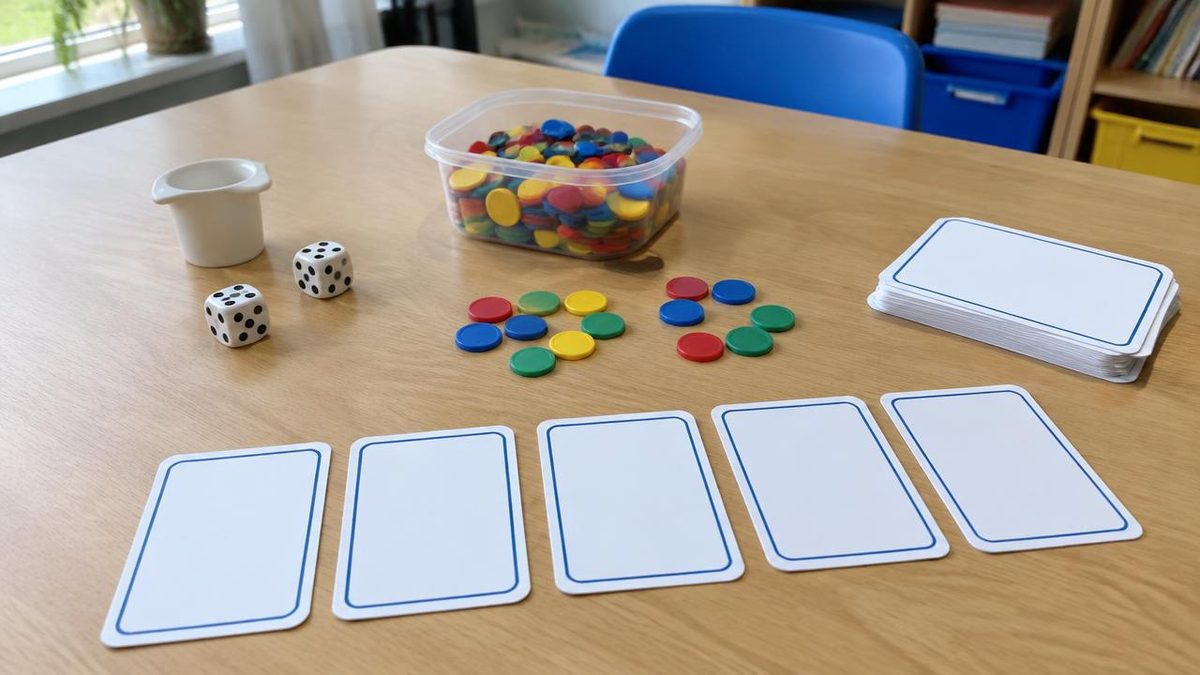
How to create and sell phonics resources
Updated November 14, 2026·3 min read
Phonics is one of the most searched subjects for teachers and parents. A clear sequence makes yours stand out.

Teachers and parents look for phonics practice constantly — and they're increasingly picky about quality.
Follow a clear sequence
Say exactly which sounds or patterns a resource covers and where it fits (CVC words, digraphs, long vowels). Buyers want to slot it into what they already teach.
Keep text decodable
If a page practises short a, avoid words the child can't sound out yet.
Offer variety
Games, sorts, sound cards and short decodable passages on the same pattern make a strong bundle.
Name the pattern in the title
"Digraph sh, ch, th sorting games" will be found. "Fun phonics pack" won't.
Audit every word in the pack
Make a working list of all words children will be asked to read, including game directions, labels and sentences. Separate adult instructions from child-facing text so buyers can see where support is needed.
For each practice word, check that its spelling patterns fit the stated prerequisites. A short word isn't automatically an easy word to decode. If a passage includes a word with a spelling the learner hasn't been taught, identify it in the teacher notes rather than quietly treating it as familiar.
Describe the knowledge children need before starting. "For learners who know these letter-sound correspondences" is more useful than an age range alone.
Check pictures as carefully as words
Picture sorts can become vocabulary tests by accident. One drawing might be called a sofa or a couch; another might be named differently across regions. Include a picture key so the adult knows the intended word.
Ask someone else to name the pictures without seeing the answers. Replace ambiguous images or explain acceptable alternatives. Avoid pictures that make the target sound difficult to hear because the intended label is unfamiliar.
Keep decorative illustrations separate from the actual task. Children should know which images they need to name and which are simply decoration.
Give adults a short teaching routine
A game is easier to use when the instructions explain what the learner practises on each turn. For a word-reading activity, a routine might be:
- The adult demonstrates reading one word using the taught correspondences.
- The child reads a new word with support as needed.
- The child uses the word in a spoken sentence to check meaning.
- The adult notes words that need another supported attempt.
Explain that the activity supplements teaching; it doesn't replace a reading programme or an individual support plan. Don't promise a reading level or a particular rate of progress.
Make the preview answer practical questions
Show a complete sample task, not only a decorative cover. Buyers should be able to judge the type size, spacing, word choices and amount of adult support required.
State whether the resource uses a particular pronunciation or spelling convention, especially where it affects rhyme or sound sorting. If you offer versions, label them plainly and check each one rather than assuming a spelling change is the only difference.
Before preparing your creator listing, read the activities aloud and test every answer. A concise, carefully checked phonics resource gives buyers something they can evaluate against the sequence they already use.
What should the answer key include?
Give the intended word for every picture and the expected response for each closed task. Where pronunciations or labels vary, note the alternative. That lets an adult distinguish a reasonable regional answer from a misunderstanding of the target pattern, without having to guess what the creator meant.
---
Make something that helps children learn? Start selling on Learning Kindred — you set your prices, keep your rights and can keep selling everywhere else.