Selling special education resources: what teachers need
Updated November 12, 2026·3 min read
You already adapt everything for your students. Those adapted versions are exactly what others are searching for.
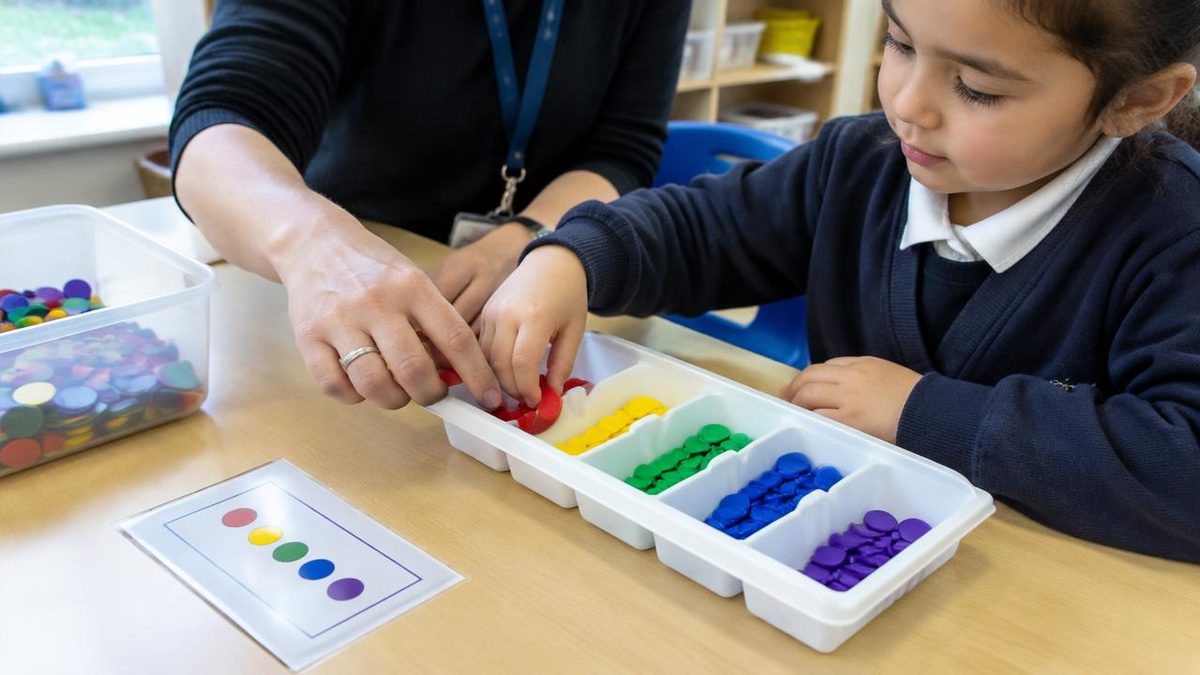
Special education teachers spend hours adapting materials. Every adapted version you've made is one another teacher doesn't have to.
Popular formats
- Adapted books with picture supports
- Task boxes and file folder activities
- Leveled worksheets with two or three versions of each page
- Life-skills practice for older students
Show the levels
Make it obvious what changes between versions — fewer choices, larger print, picture supports. A side-by-side sample image does this best.
Use respectful language
Describe what a resource practises, not what a child "can't" do.
Bundle by skill
A set of task boxes on one skill sells better than a mixed pile.
Describe the access needs, not just the label
A diagnosis does not tell a buyer whether a particular worksheet will be usable. Describe the actual task demands: how many choices appear, whether reading is required, how children respond and what motor actions are involved.
For example, “match identical pictures from a field of two by pointing or placing a card” is more informative than “suitable for all autistic learners”. It tells the adult what to inspect and adapt without assuming that everyone with the same diagnosis learns alike.
Keep age and task difficulty separate. An older learner may need a simpler response format while still deserving age-respectful topics, photographs and examples.
Keep the learning goal steady across versions
Differentiation is easier to understand when the goal remains clear. If the goal is identifying a community sign, one version might offer two picture choices while another asks the learner to select from four.
Explain which demands change and which stay the same. A writing-heavy version may measure handwriting or spelling as well as understanding, so do not present the versions as directly equivalent assessments without qualification.
Avoid ranking the versions with labels that embarrass learners. Neutral names or simple version numbers let adults select a starting point without announcing a child's perceived ability.
Make preparation instructions precise
Task boxes and adapted books can involve substantial assembly. Give the adult a materials list and a page-by-page guide rather than assuming they know your classroom system.
Include details such as:
- Which pages remain whole and which pieces are cut apart.
- How many copies are needed for one complete activity.
- Whether reusable fastening materials are optional or necessary.
- How loose pieces can be stored with the matching task.
- What supervision is needed for small pieces.
Offer a lower-preparation alternative where possible. Pointing to an answer may achieve the same practice goal without cutting and attaching every card.
Respect communication and personal boundaries
Let learners use their established communication methods rather than requiring speech to complete an unrelated academic task. Do not remove access to communication tools as part of an activity or reward system.
For personal-care or life-skills topics, use dignified language and protect privacy. Avoid asking children to disclose personal information on pages that will be displayed or shared.
If your resource supports a therapeutic activity, describe it as a general tool, not an individualized treatment plan. Adults should follow the child's own therapist where relevant.
Show enough for an informed choice
A useful preview includes an actual learner page, the response options and a portion of the adult instructions. Before you list your resource, ask whether a buyer could judge both the academic demand and the preparation required from what you show. Those practical details matter more than a broad promise of suitability.
---
Make something that helps children learn? Start selling on Learning Kindred — you set your prices, keep your rights and can keep selling everywhere else.