Selling resources as a behaviour specialist
Updated November 7, 2026·3 min read
Your visual supports and routine tools could help a family who's on a waitlist tonight.
Behaviour specialists build tools that make hard moments easier: first-then boards, token systems, calm-down choices. Families and teachers look for these constantly.
Resources that travel well
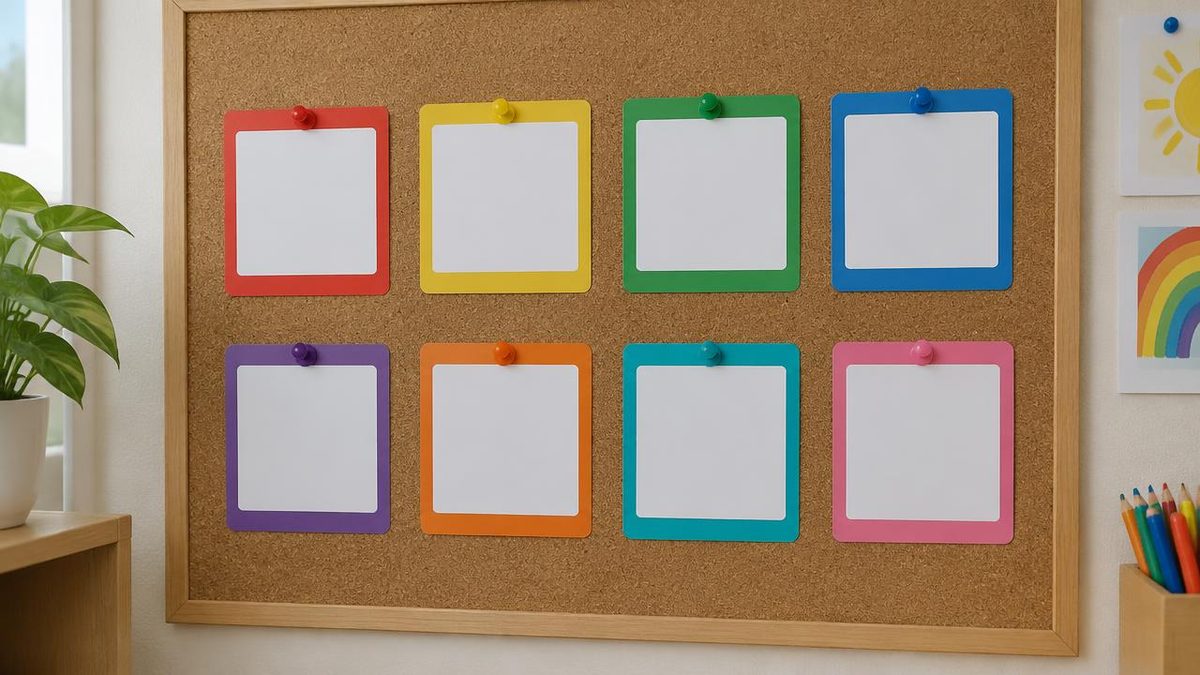
- First-then and choice boards with editable pictures
- Visual routines for transitions, arrivals and bedtime
- Social stories written in plain, respectful language
- Reinforcement menus a teacher can personalise
Keep it general and kind
A resource isn't an intervention plan. Write for a general audience, avoid language that frames a child as a problem, and suggest adapting the tool with the child's team. Never include client details.
Explain how to use it
One page on setting it up and fading it out is often what turns a buyer into a repeat buyer.
Start with the person's experience of the routine
Before designing a chart, write down what the resource is meant to make clearer. Is the order of events uncertain? Are there several genuine choices? Does the adult need a reminder to offer help or a break?
A useful tool can explain what happens next without making obedience its purpose. Avoid framing ordinary needs, communication differences or distress as behaviours to eliminate. The child's preferences and ways of communicating belong in the design from the beginning.
Make choices real and participation flexible
Only put an option on a choice board if it can actually be honoured in that setting. If “outside” is unavailable, an adult needs a way to remove or cover it before offering the board.
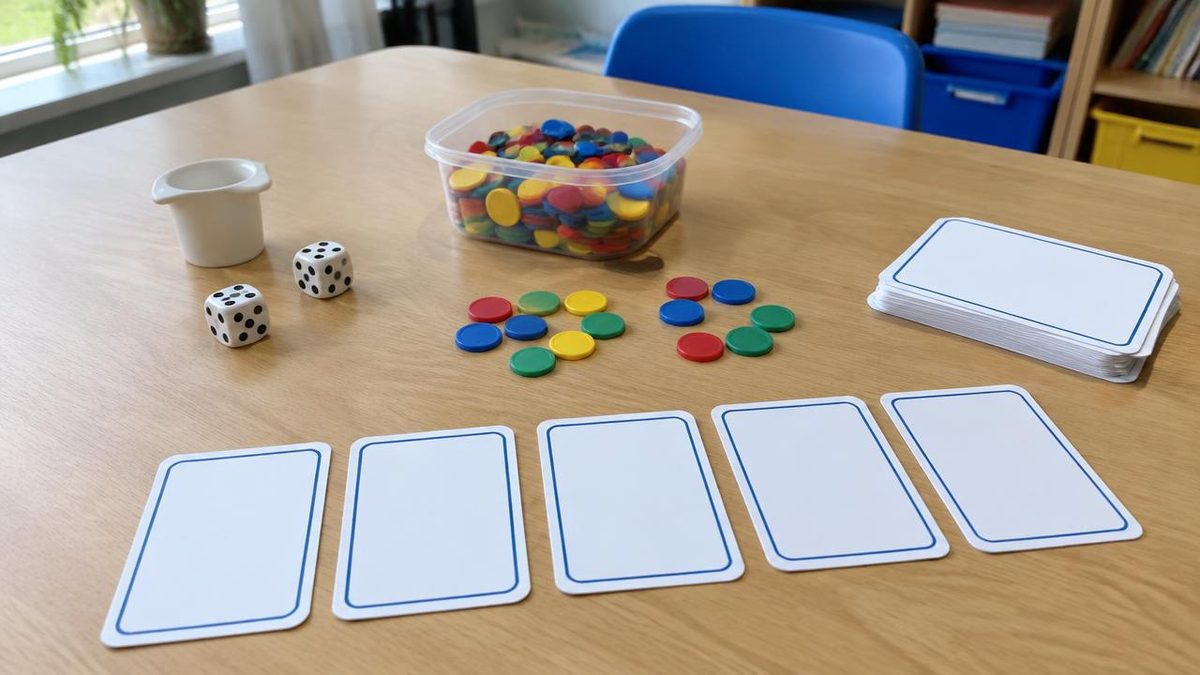
Include blank cards so the adult and child can add familiar activities or preferred words. Consider a clear way to communicate “help”, “stop”, “not now” or “something else” when those options fit the tool. Don't require a child to speak or make eye contact to use a visual support.
Describe these as ways to personalize a general resource, not a substitute for understanding why a situation is difficult. For individualized support, families should follow the child's own therapist or qualified support team.
Put adult responsibilities in the instructions
A routine card cannot fix a confusing environment by itself. Ask the adult to check whether the sequence matches what actually happens, whether the pictures are understandable and whether the steps are manageable.
For a getting-ready board, instructions might suggest:
- Show only the steps relevant to this routine
- Introduce the pictures during a calm moment
- Keep the board somewhere the child can access
- Allow the child to indicate a change or ask for help
- Revise the sequence when the real routine changes
Avoid presenting removal of support as the goal for every child. Some people continue to find visual reminders useful. Whether to change or reduce a support should depend on the person, not a fixed timetable printed in a pack.
Use examples that don't expose real children
Write clearly fictional examples from scratch instead of lightly disguising client stories. Unusual combinations of details can identify someone even after a name is removed. Check sample charts, screenshots and file properties for private information as well.
Also review workplace ownership terms before repackaging something developed through your job. Permission to use a tool professionally is not necessarily permission to sell it.
Explain the resource's boundaries before purchase
Show a complete sample board and state which parts are editable. List preparation tasks such as cutting, adding personal pictures or choosing which cards to use. Be clear that the pack does not include assessment or an individualized behaviour plan.
When writing your resource listing, describe the routine or communication purpose in plain language. Honest scope and respectful instructions help buyers judge whether the tool belongs in their setting.
---
Make something that helps children learn? Start selling on Learning Kindred — you set your prices, keep your rights and can keep selling everywhere else.