How to make printables to sell (without overthinking it)
Updated November 6, 2026·3 min read
Pick one problem, design for a home printer, check your rights, and package it so buyers know exactly what they get.
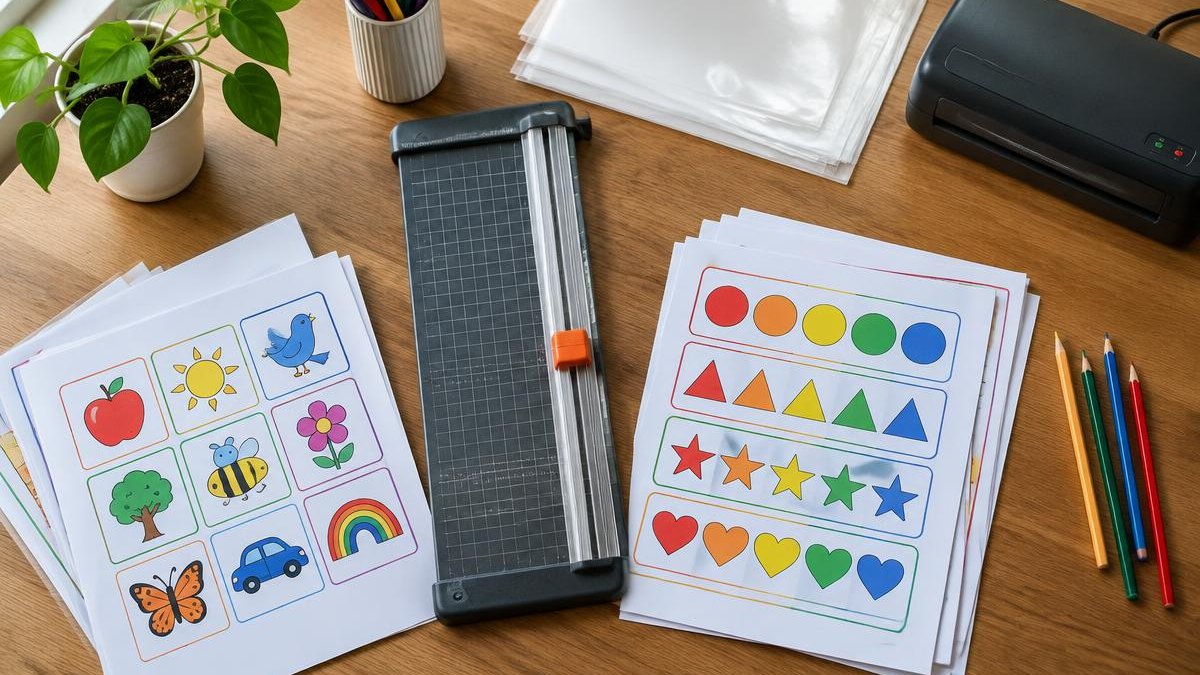
The printables that sell best aren't the fanciest. They solve one clear problem for a parent, teacher or therapist who needs it tonight.
1. Start with a problem, not a design
Write down something you've made more than once because nothing you found fit: a visual schedule, a sight-word game, a fine-motor tracing pack. If you needed it, someone else does too.
2. Pick one age and one skill
"Grade 1 short-vowel word sorts" is easier to find and easier to buy than "literacy activities". You can always make a second version later.
3. Design for a home printer
- US Letter or A4, with margins of about 1.5 cm so nothing gets cut off
- Black-and-white versions save buyers ink — offer both if you can
- Large, clear fonts for young readers
- Export as a PDF so it looks the same on every computer
4. Check your rights
Every font, clip-art image and photo needs a licence that allows commercial use in products you sell. Keep a simple list of where each one came from. Never use characters or logos you don't own.
5. Add the pages buyers thank you for
- A short "how to use" page
- An answer key if there's anything to check
- A credits page for fonts and art
6. Make a clear cover and preview
Name the skill and age in big letters, and show two or three real inside pages so buyers can see what they're getting.
7. Test the exported file, not just the design
Open the PDF in a different viewer from the one you used to make it. Look for missing characters, shifted text and images that have become blurry. Check every page at a comfortable reading size, not only as tiny thumbnails.
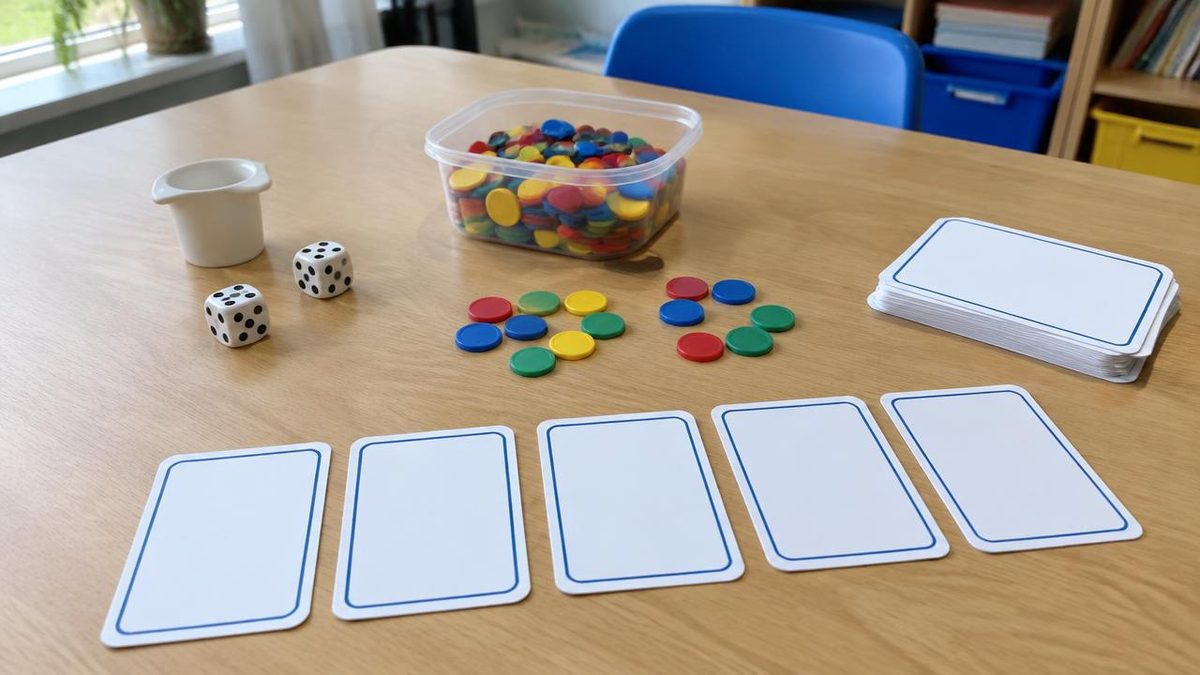
Print at least one example of each layout. If it includes cards, cut out a sample set. If it is a game, play through a round. A layout can look tidy on screen while leaving too little space for a child's handwriting or cutting off instructions when folded.
Check these details before calling it finished:
- Page numbers match the contents and answer key
- Colour is not the only way to tell options apart
- Writing spaces are large enough for the intended task
- All supplies mentioned are listed in the instructions
- Blank templates have labels explaining what belongs where
8. Ask someone else to try the instructions
Choose a reader who resembles the intended buyer. Give them the file without explaining how you meant it to work. Ask where they would start and what they would need to prepare.
If they misunderstand a step, change the page rather than planning to explain it in a message later. The product needs to make sense when you are not available.
9. Keep a clean master and a release copy
Store the editable design separately from the file buyers will receive. Give each release a clear version name and keep a short note of corrections. That prevents an old draft from becoming your next upload.
Before preparing your first listing, open the release copy one last time and compare it with your description. Make sure every promised page is present and that your preview shows the current version, not an earlier layout.
Start small
Three good printables in one subject is a real shop. Price them fairly — on Learning Kindred, paid printables start at $1.99 US / $2.79 CAD, and free ones are welcome too.
---
Make something that helps children learn? Start selling on Learning Kindred — you set your prices, keep your rights and can keep selling everywhere else.