Homeschool parents: the curriculum you built could help another family
Updated November 9, 2026·3 min read
Unit studies, planners and morning baskets — homeschool families often want exactly what you made.
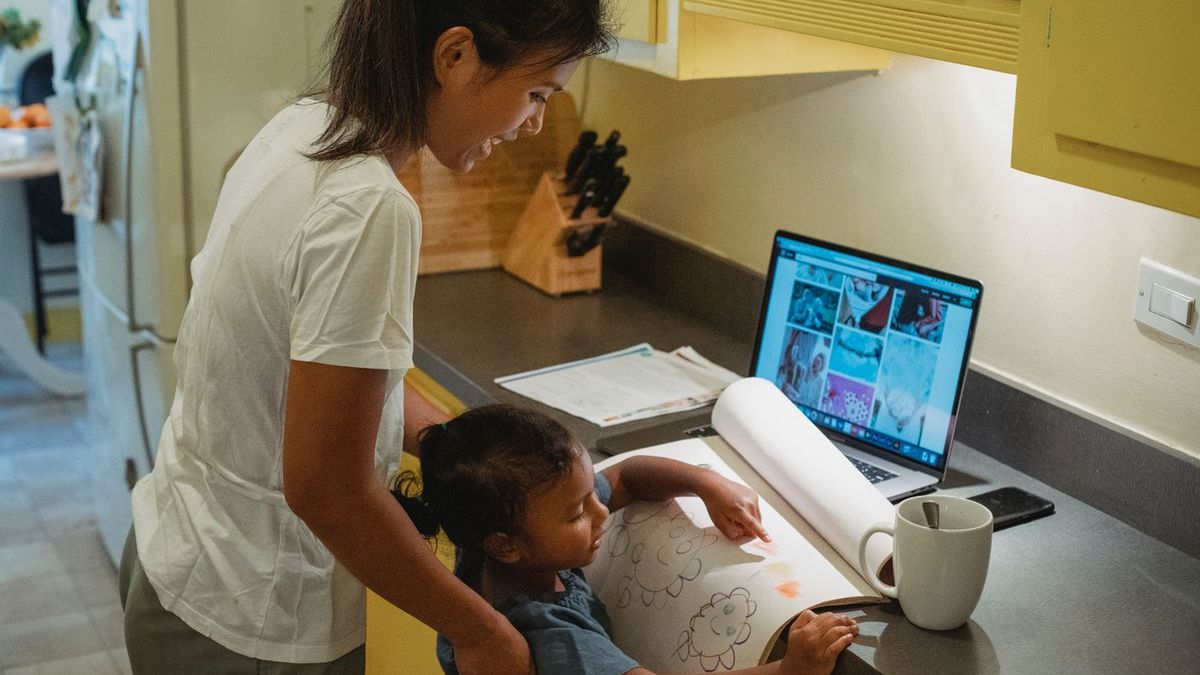
Homeschool parents are some of the most resourceful creators there are. You've built unit studies around your kids' interests, planners that fit real family life and lesson sets that actually got finished.
What homeschool families look for
- Unit studies with a reading list and hands-on activities
- Weekly planners and record-keeping pages
- Multi-age activities that work for siblings together
- Nature study and seasonal pages
Make it easy to start Monday
Include a one-page overview: what's inside, ages it suits, roughly how long it takes. Families want to know they can open it and begin.
Write for one family, not every family
"For a 6- and 9-year-old learning together" helps a buyer picture it far better than "for all ages".
Learning Kindred welcomes homeschool educators as creators, alongside teachers and therapists. Having no audience yet is completely fine.
Separate the essentials from the extras
Your own family already knows where the scissors live and which library book starts the week. Another family needs those details written down. Make a materials list that separates everyday supplies from items they may need to borrow or buy.
If an activity depends on a particular book, explain that before purchase. When possible, offer an alternative route: any illustrated bird guide might work for an observation activity, while a discussion about one story requires that exact story.
Mark optional outings and extension projects clearly. A family should not discover halfway through a unit that finishing it depends on a specialist kit or a trip they cannot arrange.
Turn your routine into flexible instructions
Instead of assuming everyone follows your timetable, organize the material into sessions or steps. Explain what needs to happen in order and what can be moved around.
A nature unit might have three core tasks: observe a local plant, sketch its parts and compare it with a reference picture. A younger learner could dictate observations while an older sibling writes labels. The family can complete those tasks over a morning or several afternoons.
Describe those adaptations explicitly. “Suitable for siblings” is much more useful when a parent can see how each child participates without needing a completely separate lesson.
Distinguish a unit from a complete curriculum
Be precise about scope. A collection of pond activities is not necessarily a complete science programme. List the concepts included and identify any knowledge the child needs before starting.
Avoid promising that a product meets every family's reporting requirements. Those depend on location and individual circumstances. You can provide a simple record page with space for dates, activities and observations without presenting it as an official reporting document.
Families looking through homeschool printables may be filling one small gap rather than replacing their whole approach. A narrow, well-explained resource can be exactly what they need.
Remove the details that only work in your house
Read each instruction as though you have never met your family. Replace “use our usual notebook” with the notebook size or type. Change references to your child's previous project into a short explanation of the starting skill.
Check for private journal entries, photographs and personal information in example pages. Use fresh sample responses instead of a child's completed work unless you have carefully addressed consent and privacy.
Finally, invite another adult to try one lesson from the written directions alone. Ask what they had to guess, what supplies were missing and where their learner needed another example. Fix those gaps before expanding the collection.
---
Make something that helps children learn? Start selling on Learning Kindred — you set your prices, keep your rights and can keep selling everywhere else.