Tomorrow we open: what our first creators built
Updated November 15, 2026·3 min read
A thank-you to everyone who said yes early — and how to join them.

Tomorrow, Learning Kindred opens to buyers.
Over the past weeks, teachers, occupational therapists, speech-language pathologists, behaviour specialists, homeschool educators, children's authors and parents have set up shops and uploaded resources they made by hand.
What every creator here gets
- Your own prices — you decide what each resource costs
- A rate that's locked in — we never raise the cut on existing creators
- Never exclusive — keep selling everywhere else
- A child-safety check on every resource before it goes live
Make tomorrow's first visit easier
Public opening is November 16, 2026. Before browsing, think of one real task you want help with: a small-group activity, an afternoon routine or a read-aloud follow-up. A specific starting point makes it easier to evaluate resources without collecting things you may never use.
Write down who will use the resource, what they already know and what materials you have available. A resource that needs scissors, counters and adult preparation may be a good choice for one setting and an awkward choice for another. Fit matters more than a large page count.
A last practical check for creators
Look at your resource from the buyer's side. Can someone understand the purpose without knowing your teaching style or having heard you explain it?
Check these details before you share it:
- The title identifies the actual task or skill.
- The description separates included materials from suggested extras.
- Instructions name any preparation and supplies.
- Sample pages match the final version.
- Printed pages have readable text and enough working space.
- Every included image and font has the necessary permissions.
If you find something unclear, fix the source file and review the exported copy too. A correction in your design document doesn't help a buyer if the finished file still contains the old wording.
Every new or edited resource receives an automatic child-safety check before it goes live. Creators should still proofread carefully and check the accuracy, permissions and usability of their own work.
Plan one helpful introduction
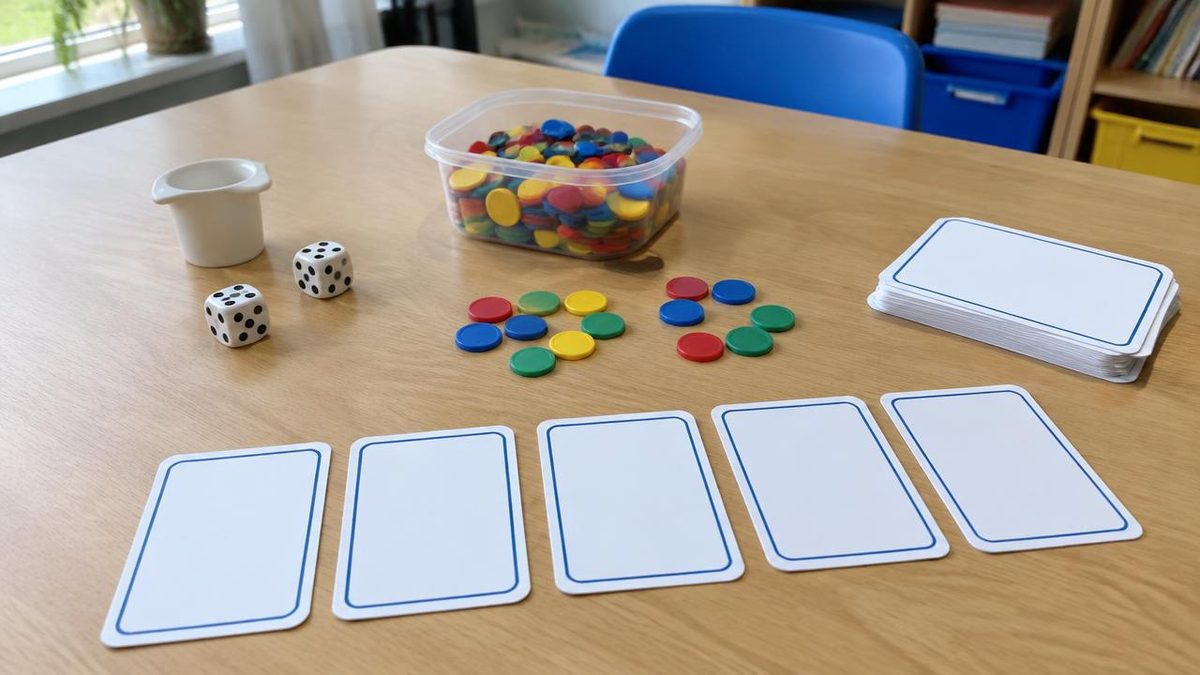
Instead of trying to show everything at once, choose one resource and explain a realistic use for it. Name the situation, the preparation and the activity: "For a small group practising number combinations, set out the cards and counters, then model one turn."
Keep the example grounded in what the resource actually contains. Avoid promises that it will transform behaviour, guarantee progress or suit every child. Clear expectations help someone decide whether to take a closer look.
You can read about selling resources if you're considering sharing your own work. Starting with a small, well-explained resource leaves room to learn without preparing an entire catalogue first.
Leave room to adapt
Families and educators don't all use materials in the same way. A teacher may need a group activity; a parent may want one page to use together at the kitchen table. Neither needs to recreate the creator's exact setting.
Look for instructions that explain the purpose as well as the steps. Knowing what children are practising makes it easier to choose a suitable starting point and recognize when a different resource would fit better.
What if nothing fits the task yet?
Keep your original need in view rather than buying a near match that requires extensive changes. You can return with a clearer question or use materials you already own. A considered choice is more useful than a purchase made simply to mark opening day.
Want to join them?
See the creator plans and set up your shop in a few minutes.
Thank you to everyone who said yes early. See you tomorrow.