Weekly meal planning for families who hate meal planning
Updated August 27, 2026·3 min read
A 20-minute Sunday habit, six theme nights, and one shopping list that ends the 5pm scramble.
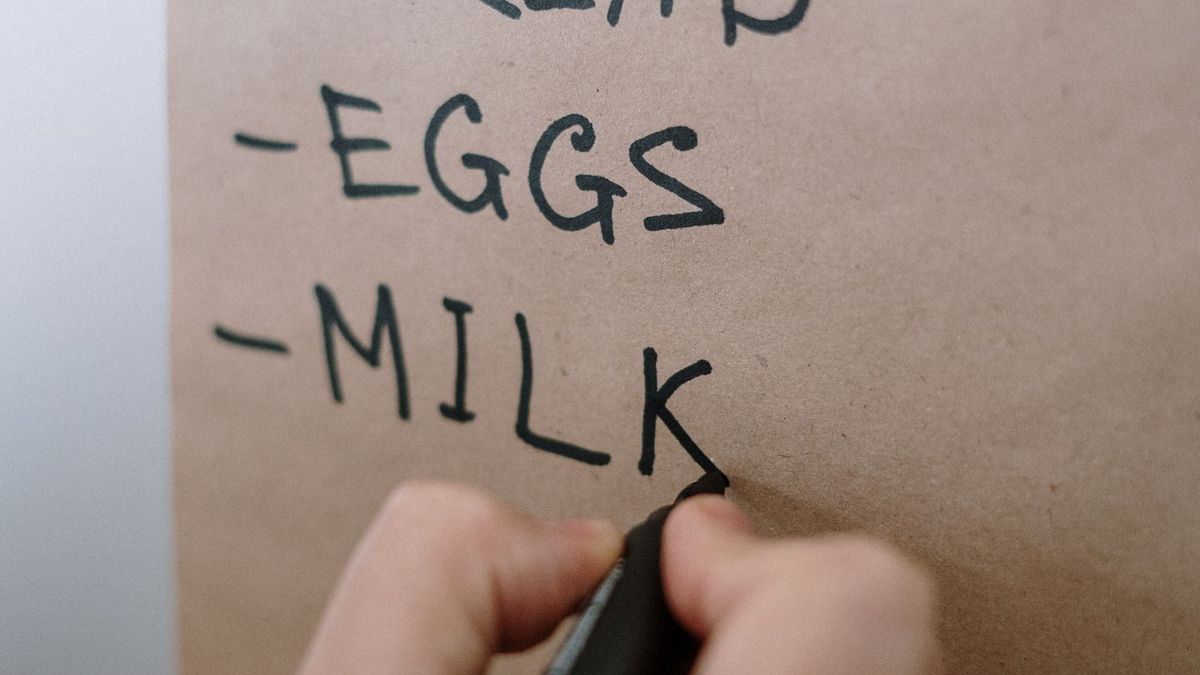
Meal planning fails when it is treated as a creative project. It is not — it is a twenty-minute admin task that buys back five evenings. Here is the smallest version that works.
Build a list of 12 dinners, not 30
Write down every dinner your family reliably eats. Most households have between 10 and 15. That list is your rotation. You are not looking for variety, you are looking for the end of the 5pm decision.
Rotating menu templates and recipe binder pages live in meal planning resources.
Give each night a job
Theme nights remove the choosing entirely: pasta Monday, taco Tuesday, soup Wednesday, breakfast-for-dinner Thursday, pizza Friday, leftovers Saturday, roast Sunday. You are still choosing *what* pasta — you are no longer choosing from everything.
Plan the week backwards from your calendar
Look at the week first, then assign meals. Two nights of practice at 5:30 means two slow-cooker or 15-minute meals, decided now instead of at the door. This is where a shared family calendar earns its keep — see family planner resources.
Write the shopping list from the plan, in one pass
Plan, then list, then shop once. Category-sorted lists (produce, dairy, pantry, freezer) cut the trip roughly in half and stop the mid-week top-up runs that wreck a food budget.
Matching planner-and-list sets, pantry inventories and price books are all in meal planning resources.
Hand a piece of it to the kids
Kids who pick one dinner a week eat more of it. Older kids can own a night entirely — that is a chore, a life skill and one fewer decision for you. Age-banded chore lists in chores & routines make the handover concrete rather than theoretical.
Post the plan where people can read it
The plan only stops the questions if it is visible. Fridge door, inside a cupboard, on the command center. If nobody can read it, you are still the menu.
Keep two emergency dinners off the calendar
An emergency dinner is something you can make from ingredients you normally keep, not another recipe to shop for. Think pasta with frozen peas, beans on toast, or eggs with whatever vegetables need using. Choose options that fit your household's allergies and food needs.
Keep those ingredients separate on your pantry list. When a meeting runs late or nobody wants the planned meal, use a backup and move the original dinner to tomorrow. The plan is a tool, not a promise.
Give leftovers an actual destination
Before you put a container away, decide whether it is tomorrow's lunch, another dinner component, or something to freeze. Label it with the contents and date, and follow current food-storage guidance for that dish.
A roast vegetable tray might become a wrap filling; extra rice could be portioned for another meal. Only plan around leftovers you realistically expect to have. If everyone usually finishes taco night, don't count on it feeding Wednesday too.
Use a small notes box on your weekly meal planner for these carry-over jobs. That keeps useful food visible without turning the fridge into another inventory project.
The whole routine
- Check the week's calendar.
- Pick meals from your 12, matching effort to the night.
- Write the shopping list from the plan.
- Post the plan, shop once.
Twenty minutes, once a week.
Resources that do the paperwork
- Meal planning resources — weekly planners, grocery lists, freezer inventories, lunchbox cards.
- Family planners — calendars, budgets and household binder pages.
- Chores & routines — hand nights and prep jobs to the kids.
- Bundles & discounted packs — planner sets grouped together for less.