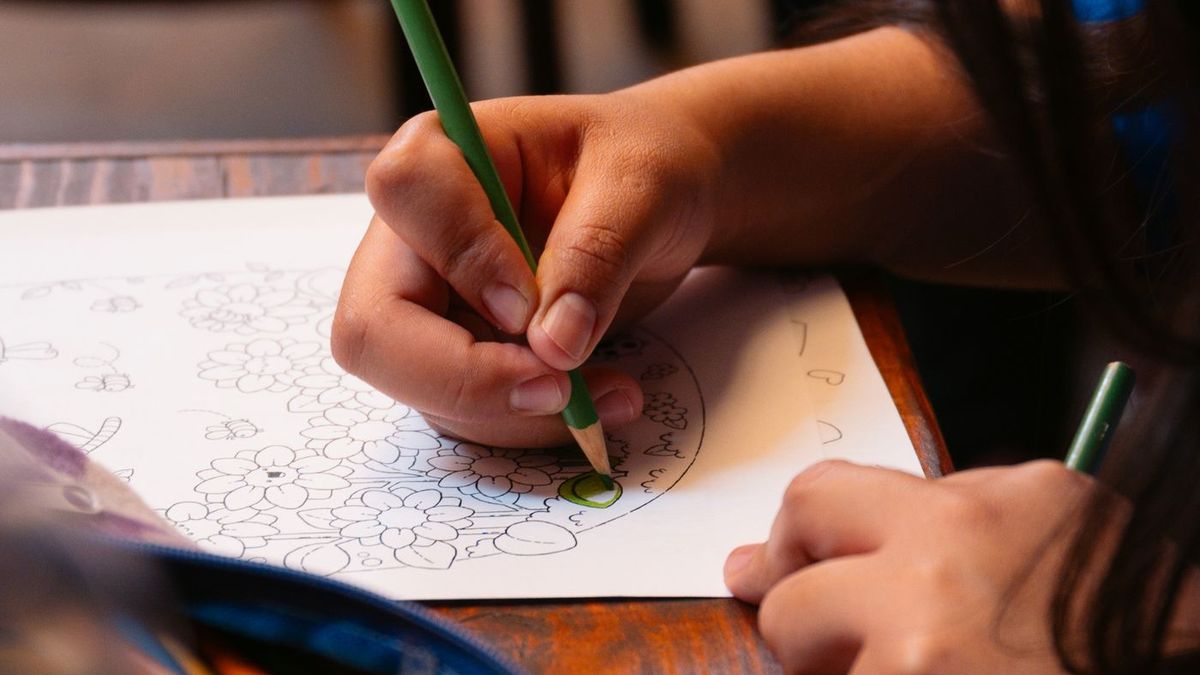
Easy fine-motor activities to try at home
Updated November 22, 2026·3 min read
Small hands get stronger with play, not pressure.
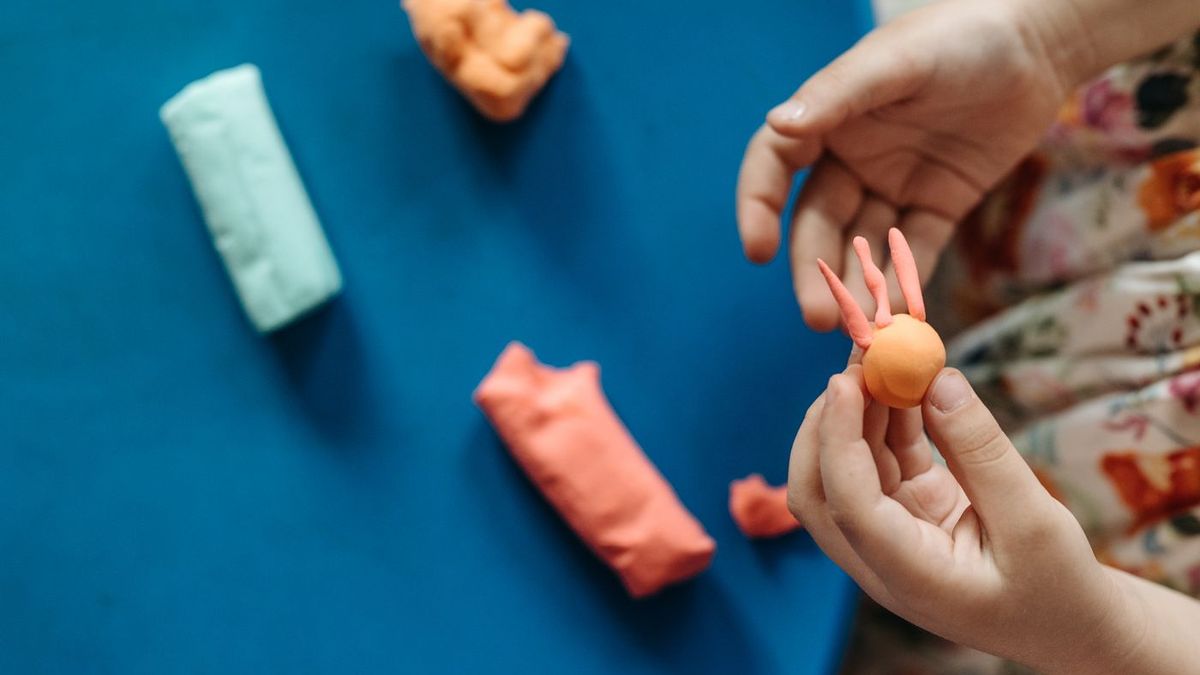
Fine-motor skills — the small movements of fingers and hands — help with writing, buttoning, cutting and more.
Everyday ideas
- Dot art with markers or stickers
- Playdough rolling and pinching
- Tearing paper for collage
- Tongs and pom-poms for sorting
- Cutting strips — straight first, then curves
Keep sessions short
Five to ten minutes is plenty. Stop while it's still fun.
Notice the grip, don't fight it
Offer short crayons or broken chalk to encourage a natural grip. If you're worried, an occupational therapist can help.
You'll find dot art pages, cutting strips and tracing sets made by teachers and OTs on Learning Kindred — browse.
Set up a space that feels manageable
Clear a small patch of table and put out only the materials needed for one activity. A crowded tray can make it harder to choose where to begin. Place paper on a non-slip surface, and offer a comfortable position with support for the child's feet where possible.
You do not need a special kit. A sheet of scrap paper, a chunky crayon and a cardboard box can become a parcel-decorating game. The purpose gives the hand movements a reason: “Shall we make a sign for your shop?”
Try a paper workshop
Invite your child to make pretend tickets, envelopes or a tiny menu. Let them choose the job while you offer a few ways to do it.
- Fold a sheet together and press along the crease.
- Draw broad roads for a toy vehicle to follow.
- Make large marks to represent names or prices.
- Slide finished tickets into a wide opening in a cardboard box.
These are invitations, not a sequence to complete. If folding becomes frustrating, hold one side of the paper or start the crease yourself. If drawing loses its appeal, the pretend shop can carry on without it.
Change the task before adding more effort
Notice what makes an activity awkward. Is the paper moving? Is the tool difficult to squeeze? Does the child understand what to do? A small change may make the experience more enjoyable.
For example, tape down the corners of a sheet rather than asking a child to hold it still and draw at the same time. Offer a larger target for placing objects, or let them work with both hands instead of expecting one particular technique.
Avoid turning every mark into a correction. You can describe what you notice — “You made a long road” — without judging whether it looks neat.
Check materials and supervise closely
Small loose items can be choking hazards, particularly for children who put things in their mouths. Choose materials suited to your child's age and habits, keep them away from younger siblings, and stay nearby. Use child-appropriate scissors with adult supervision; put sharp tools away afterwards.
Check product guidance for dough, paint and other materials, including any relevant allergies. An activity is not a good fit simply because it is labelled for a particular age.
Choosing a page that fits
Look for uncluttered layouts, roomy spaces and a task your child can understand without a long explanation. You can explore children's activities with those features in mind rather than choosing the busiest pack.
If hand activities regularly cause pain, distress or unusual fatigue, stop and seek individual advice. If your child already sees an occupational therapist, follow their guidance about tools, positioning and suitable activities. Home play should not become a substitute for a child's own support plan.
---
Learning Kindred is open. Browse resources made by teachers, therapists, homeschool educators and parents — or open your own shop. Never exclusive, so it can sit alongside everywhere else you sell.