Calm corner ideas for any classroom
Updated November 20, 2026·3 min read
A small, predictable space that helps children reset.
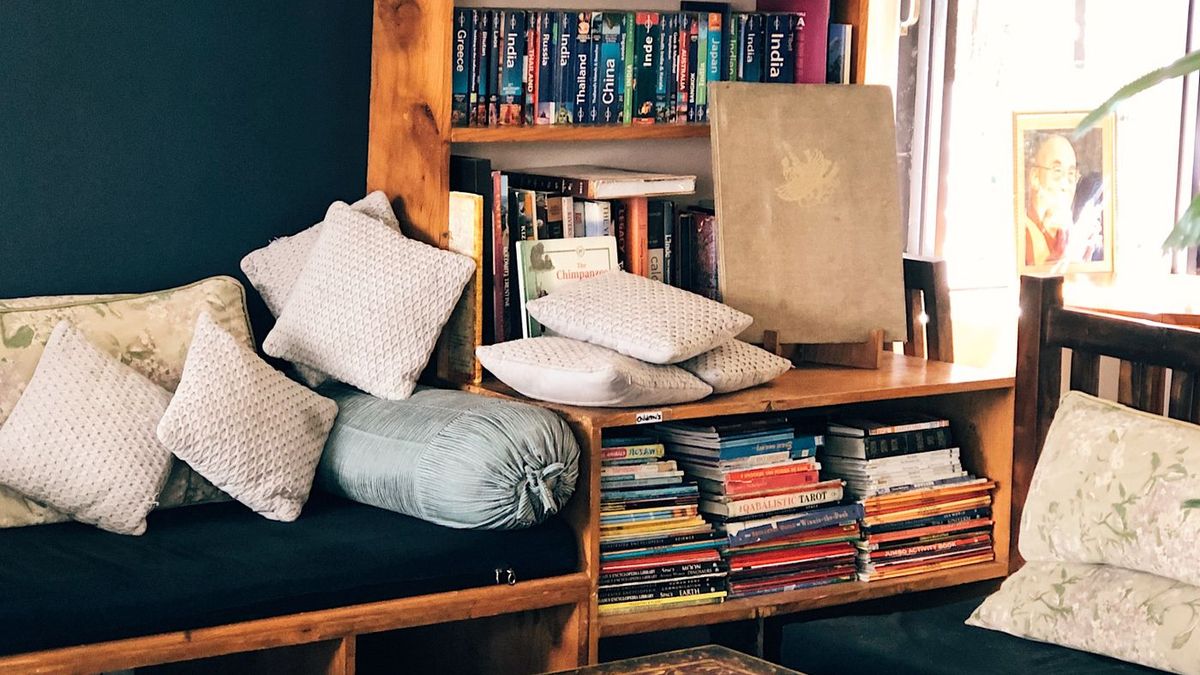
A calm corner is a quiet space where a child can go to settle their body and feelings. It isn't a time-out.
What to include
- A feelings chart so children can name what's happening
- Calming strategy cards — breathing, squeezing, counting
- A timer so the break has an end
- Something soft — a cushion or blanket
Teach it before it's needed
Practise using the corner when everyone is calm. Then it feels familiar when it matters.
Keep it welcoming
Children should choose it, not be sent there as punishment.
Calm corner sets, feelings charts and breathing cards from teachers and therapists are on Learning Kindred — start browsing.
Choose a spot that allows support
A calm corner should offer some quiet without isolating a child from adult supervision. Check the sightline from where you usually work, and keep exits and walkways clear. A screened-off area that looks cosy may make it harder to notice when someone needs help.
Think about noise, light and nearby traffic. A spot beside the pencil sharpener or a busy doorway may not feel restful. Ask children what they notice about the space instead of assuming everyone experiences it in the same way.
Offer fewer choices to begin with
A large basket of unfamiliar tools can create another decision to manage. Start with a small selection and introduce each item when the class is settled. Explain how to use it safely and where it belongs afterwards.
Not every child finds the same activity comfortable. Breathing prompts, textures and sounds can be welcome for one child and unpleasant for another. Let children decline a strategy and offer another familiar option. Follow the child's own therapist's guidance where specific tools or supports are involved.
Check materials for age appropriateness, damage, cleaning needs and any relevant school safety requirements. Avoid adding a tool just because it looks popular in a classroom photo.
Practise asking for help
Teach children how to indicate that they want a break or an adult nearby. Options might include a spoken request, pointing to a card or an agreed gesture. Don't make a child explain their feelings publicly before accessing support.
An adult might say, "Would you like company, or would you like a little space while I stay nearby?" Keep language brief and avoid turning the moment into a lesson about what the child did wrong.
A feelings chart can be an invitation, not a quiz. Children can use the area without naming a feeling precisely.
Make returning flexible
A timer can make time visible, but its sound shouldn't automatically mean a child is ready to return. Check in and help plan a manageable next step. That could mean joining part of an activity, starting beside an adult or getting further support under the school's agreed procedures.
Discuss any problem-solving later, when the child is ready. The corner isn't a substitute for appropriate adult help when someone is distressed or unsafe.
Review what is actually being used
Notice which materials children choose and which remain untouched. Ask for feedback privately, without displaying records of who visits or how long they stay.
When considering calm corner printables, choose a few readable visuals that match the routines you've taught. You don't need to cover every wall. A clear request-for-help card may be more useful than a large collection nobody has practised using.
---
Learning Kindred is open. Browse resources made by teachers, therapists, homeschool educators and parents — or open your own shop. Never exclusive, so it can sit alongside everywhere else you sell.